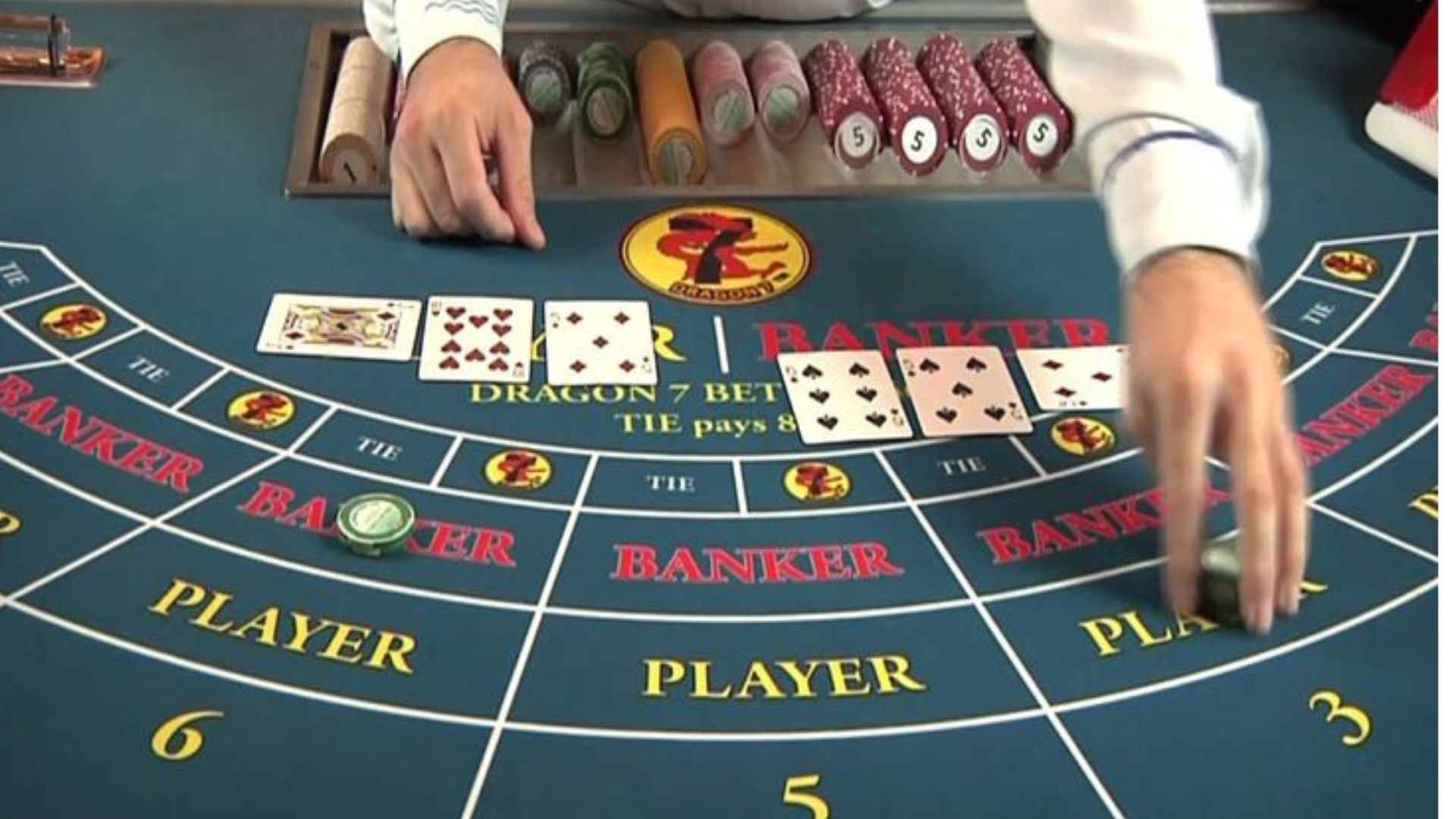
Understanding how individuals respond to uncertain outcomes is a fundamental concept in behavioral psychology. Simple decision-making tools like digital spinners provide a unique window into these behavioral patterns by observing how players approach varying odds. Watching how someone interacts with probabilistic visual mechanics can highlight whether they lean toward cautious choices or bold leaps.
The Psychology Behind Random Visual Mechanics
When a wheel spins, the visual motion creates a brief window of heightened emotional focus and psychological tension. The gradual slowdown of the pointer forces players to confront the immediate reality of uncertain possibilities. Observing a person's physical reaction during this brief moment often reveals their natural comfort level with unpredictable scenarios.
Risk-averse individuals tend to seek out scenarios where outcomes feel structured and manageable. In contrast, risk-seeking personalities thrive on the adrenaline generated by wide variations in potential results. This subtle divide demonstrates how basic game elements act as mirrors for deeper cognitive tendencies.
Evaluating Decisions Under Variable Odds
Spinner games frequently feature segments of differing sizes, representing diverse mathematical probabilities. Players who prefer safety often favor options with larger surface areas, accepting smaller returns for a higher likelihood of success. Conversely, participants willing to take bigger chances consistently target narrow slices with significant rewards.
This decision-making process closely mirrors real-world choices in financial management, career planning, and daily problem-solving. Observing how players adjust their strategies after a series of losses provides further insight into their emotional resilience. Many gaming platforms, including online destinations like m88, offer simple interactive features that highlight these basic probability concepts in a accessible format.
The Impact of Repeated Exposure to Uncertainty
Experiencing multiple consecutive spins alters how a person perceives future probabilities, often triggering cognitive biases. A player who experiences several failed attempts may either become overly cautious or double down in hopes of a rapid turnaround. These reactions illustrate classic psychological phenomena known as the gambler fallacy and risk fatigue.
Over time, repeated engagement with randomized wheels helps researchers observe how quickly an individual adapts to changing circumstances. Those who maintain a consistent approach demonstrate strong emotional control and fixed risk tolerance. Players who constantly modify their selections show a higher susceptibility to short-term emotional swings.
Applying Insights to Everyday Behavioral Choices
Analyzing risk preferences through lighthearted games offers practical benefits beyond simple entertainment value. Businesses and educators frequently utilize interactive tools to help individuals recognize their personal biases in a low-stakes environment. Recognizing whether you are naturally cautious or inclined toward bold decisions can lead to better decision-making habits.
Ultimately, spinner games serve as accessible, intuitive models for studying human behavior under conditions of uncertainty. By paying attention to how we react when chance takes over, we gain valuable awareness of our broader financial and personal risk strategies. Embracing these small insights helps foster a more balanced approach when facing important real-life choices.