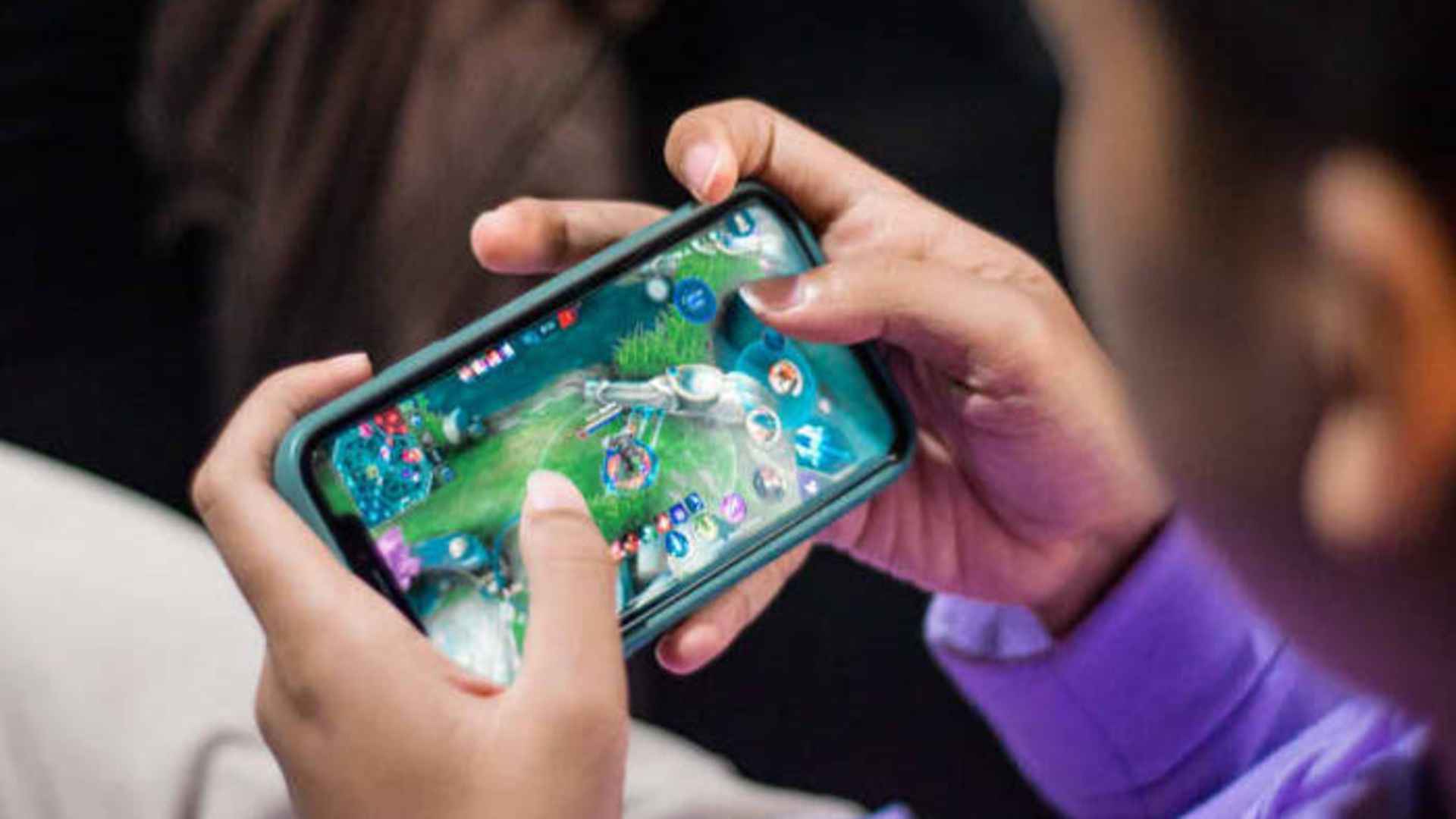
The digital gaming landscape has experienced a monumental shift toward interconnected ecosystems that bridge players across continents. Modern online infrastructure allows individuals to transcend geographical boundaries, transforming solitary gaming into collective, real-time missions. These vast global networks enable communities to collaborate on intricate challenges, fostering cross-cultural partnerships through shared digital spaces.
The Evolution of Collaborative Gaming Platforms
Early multiplayer gaming often relied on localized connections, which restricted collaborative play to small, immediate groups. Today, advanced cloud servers support thousands of simultaneous participants, creating persistent environments where teamwork can thrive indefinitely. This technological progress ensures that players can seamlessly unite to tackle complex in-game objectives regardless of their physical location.
As these platforms expand, developers are focusing heavily on building scalable matchmaking networks that prioritize structural stability. Reliable connection frameworks allow teams to coordinate strategic actions smoothly without experiencing debilitating delays. This foundational reliability encourages long-term engagement and strengthens the bonding experience among global participants.
Fostering Cross-Cultural Communication and Strategy
Engaging in large-scale cooperative networks requires high levels of communication, adaptable problem-solving, and mutual trust among group members. Players from diverse linguistic and social backgrounds must quickly align their methods to overcome challenging virtual obstacles. This dynamic environment effectively cultivates crucial soft skills, such as empathy and intercultural collaboration, in a fast-paced setting.
To explore the evolving systems supporting these massive connectivity frameworks, individuals frequently search for optimized portals. Enthusiasts looking for secure hubs can utilize the M88id platform to access reliable information on high-performance gaming networks. Utilizing specialized entry points ensures that players remain connected to efficient servers designed for competitive international matchmaking.
Shared Objectives and Community Longevity
The core appeal of modern cooperative gaming lies in the pursuit of major milestone goals that cannot be achieved alone. Massive server-wide events and seasonal challenges incentivize communities to pool their collective resources and expertise. This shared investment creates a powerful sense of ownership, driving long-term player retention and ecosystem growth.
Furthermore, these collaborative environments often spark the creation of player-run guilds and decentralized organizations. These communities manage their internal structures, mentor incoming novices, and establish unique cultural norms within the broader network. As a result, the social ties formed inside these virtual systems frequently extend beyond the screen into real-world networks.
The Future of Global Cooperative Ecosystems
Looking forward, the integration of cross-platform compatibility will continue to expand the reach of global cooperative networks. Ensuring that PC, console, and mobile gamers can interact harmoniously removes traditional barriers to community entry. This inclusivity guarantees a steady influx of diverse talent, keeping the multiplayer landscape vibrant and innovative.
As network architectures become even more sophisticated, we can anticipate deeper immersive features that enhance remote team coordination. Emerging technologies will likely provide smarter analytical tools to match players based on complementary skill sets rather than basic latency scores. This progression promises to make global cooperative gaming an increasingly rewarding and unified human experience.